WRITE US A MESSAGE!

CERS FERVORES is one of the 19 actions planned by the Operational Plan of the Green Community Synergies in Canavese (PNRR M2 C1 I3.2 "Green Communities") - Lead and implementing body: Unione Montana Valli Orco e Soana
CERS FERVORES has received a contribution from the Compagnia di San Paolo Foundation as part of the Sinergie calls
FONDAZIONE COMUNITA' ENERGETICA RINNOVABILE E SOLIDALE FERVORES E.T.S.
Piazza XXV Aprile 2, 10085 Pont Canavese (TO)
Tax Code 92527060013
VAT No. 13346680013
Foundation registered with the RUNTS National Single Register of
the Third Sector under Decree DD 90/A2202A/2025 dated 22/01/2025
INFO & CONTACTS
Privacy Policy · Cookie Policy
CERS FERVORES © All Right Reserved 2026
What are CERS?
C → community
E → energy
R → renewable
S → solidarity

A Renewable and Solidarity Energy Community is a network of citizens, businesses, bodies and associations that share the electricity produced by plants powered by renewable sources located within an area defined by the so-called primary substations.
Participants in CERS can be simple consumers, energy producers, or both — in this case they are called prosumers. Energy sharing takes place through the normal national power grid, without the need to build dedicated infrastructure and without having to change your energy supplier.
The “solidarity” dimension of the CERS recalls the idea of an energy transition able to generate shared benefits for the local community, tackling energy poverty in the area and encouraging citizen participation.
POD
I withdrawal and injection points (PODs) that may be part of a CER must be located within a specific perimeter, identified by the area served by the same primary substation (called “conventional area”) of the electricity distribution network.
The GSE, Energy Services Operator, has made available the Interactive map of primary substations which allows each of us to locate the primary-substation conventional areas into which the national territory is divided and to check which of these areas the electrical connection points that concern us belong to.
To support understanding and use of the interactive map, it is important to underline that:
an active POD in our area can be part of only one primary-substation conventional area.
However, going beyond the boundaries of a single primary substation, a CER can manage one or more self-consumption configurations. This means that, for example, a CER can be set up to operate across multiple primary-substation areas: from an organizational standpoint, a single legal entity established as a CER may operate, oversee and coordinate a territory made up of an aggregation of conventional areas; from an operational standpoint, production and energy exchange must be managed at the level of the individual primary substation.

SHARING
How a CERS works
How a CER works depends on its ability to:
- produce electricity from renewable-source plants
- share that produced energy, so as to cover part or all of the consumption of the CER members
The share of energy produced and not self-consumed on an hourly basis by the CER members is defined as “shared” and entitles the incentive provided for by current regulations.
This sharing does not take place through an actual physical exchange of energy, but virtually through the national electricity distribution grid: for a CER, therefore, there is no need to build new dedicated distribution networks among its members.
In addition, each member of a CER continues to keep their own electricity supply contract with their current supplier, both on the free market and on the regulated market, continuing to draw electricity from the distribution grid according to their needs.
It is the task of the CERs to receive monthly from the GSE the incentive amount generated for each managed configuration and to split that sum among their members, according to the methods and rules that the CER itself has set and that are contained in its “Regulations".
The systems of a CERS
SYSTEMS
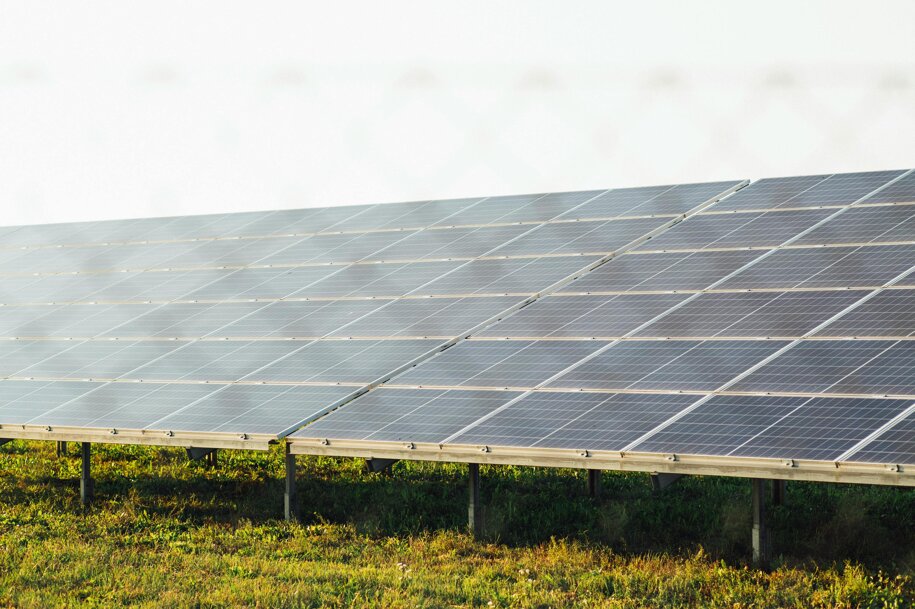
All plants powered by renewable sources can be included in a CER as production units: therefore, photovoltaic systems are obviously included, but also any other type of renewable plant such as, by way of example and not limited to, hydroelectric, wind, biogas, solid biomass, etc. Production plants equipped with storage systems can also be part of the CER.
But to access the economic incentives provided for collective self-consumption, CER plants must have specific features, namely:
- they must have a maximum nominal capacity for each plant not exceeding 1 MW;
- they must have been put into operation, i.e., connected to the national electricity grid, after after 15/12/2021 and in any case after the formal establishment of the CER;
- if put into operation after 15/12/2021 but before the establishment of the CER they may be included where documentation with a certain date shows they were intended for the CER itself.
ACTORS
The organizational model of a CER requires identifying actors and roles both within and outside the aggregation. Two roles can therefore be identified for CER members, involved in its organization and operation:
- consumer, i.e., an entity that performs exclusively the function of consumer of shared energy;
- prosumer, i.e., an entity both consumer and producer thanks to its own renewable energy plant
Further parties can then be involved, typically external to the CER but with equally important roles, such as:
- renewable energy producers external or “third-party”;
- parties that make available surfaces and spaces useful for building renewable-source plants for the benefit of the CER;
- CER financiers.
BENEFITS
The benefits of CERs concern all three aspects of sustainability, namely environmental, economic and social.
Environmental
Benefits


Economic
Benefits

Social
Benefits
RECs help to fight energy poverty and support the most vulnerable groups in the community. By leveraging the sharing of energy resources, RECs can ensure fair access to clean and sustainable energy, thus improving quality of life and contributing to social cohesion. To this end, in defining the REC members’ group, special attention should be paid to including people who today are unable to meet their basic energy needs, increasing their information and awareness, which can then be transferred to other areas of the daily challenge for sustainability.
RECs can have a direct economic impact in terms of bill savings for all members (through redistribution, based on the rules set by the REC itself, of the incentives provided by Italian legislation for energy sharing and received by the community for 20 years). In addition, “prosumer” members hosting energy plants benefit directly from local consumption of the energy produced, thus reducing the costs associated with purchasing electricity from traditional sources.
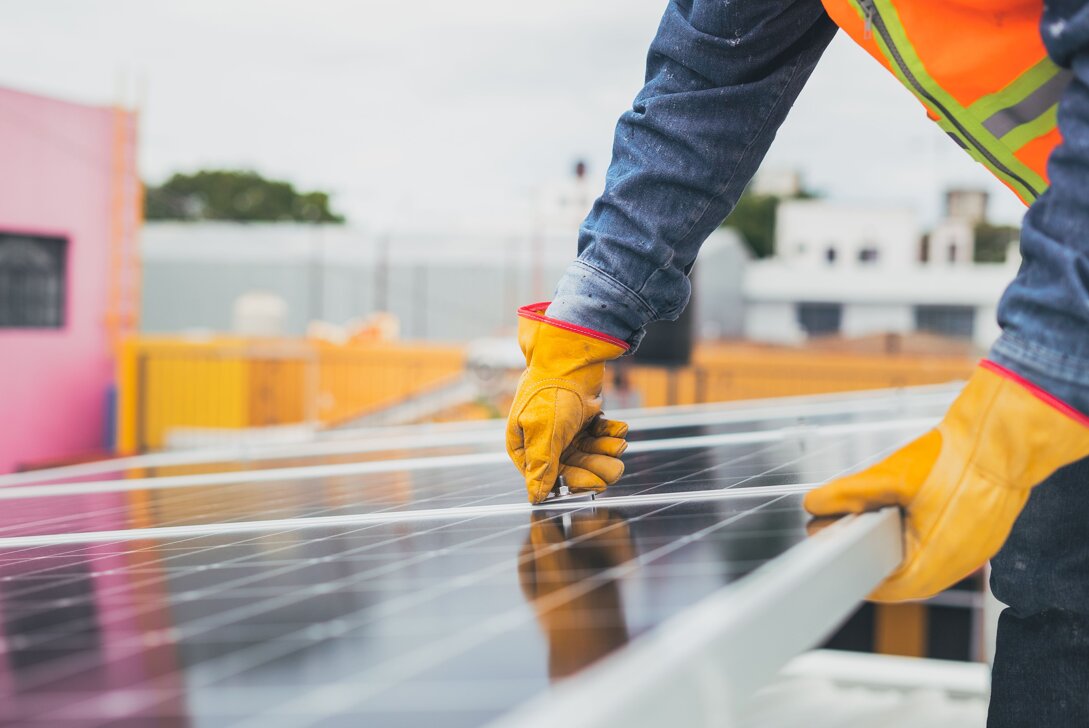
Moreover, major benefits can be assessed at local level in terms of creating added value and jobs mainly in the installation and maintenance supply chain of RES plants.
RECs allow to spread small/medium renewable-source plants across the territory, with the specific feature of placing plants close to consumers, with the effect of reducing transport costs and energy losses on the grid. Therefore, the expansion of RECs will lead to a significant reduction in greenhouse gas emissions linked to energy production from fossil sources, with the gradual reduction of their extractive activity, contributing substantially to mitigating environmental impacts, safeguarding ecosystems and fighting climate change.